Oxytocin
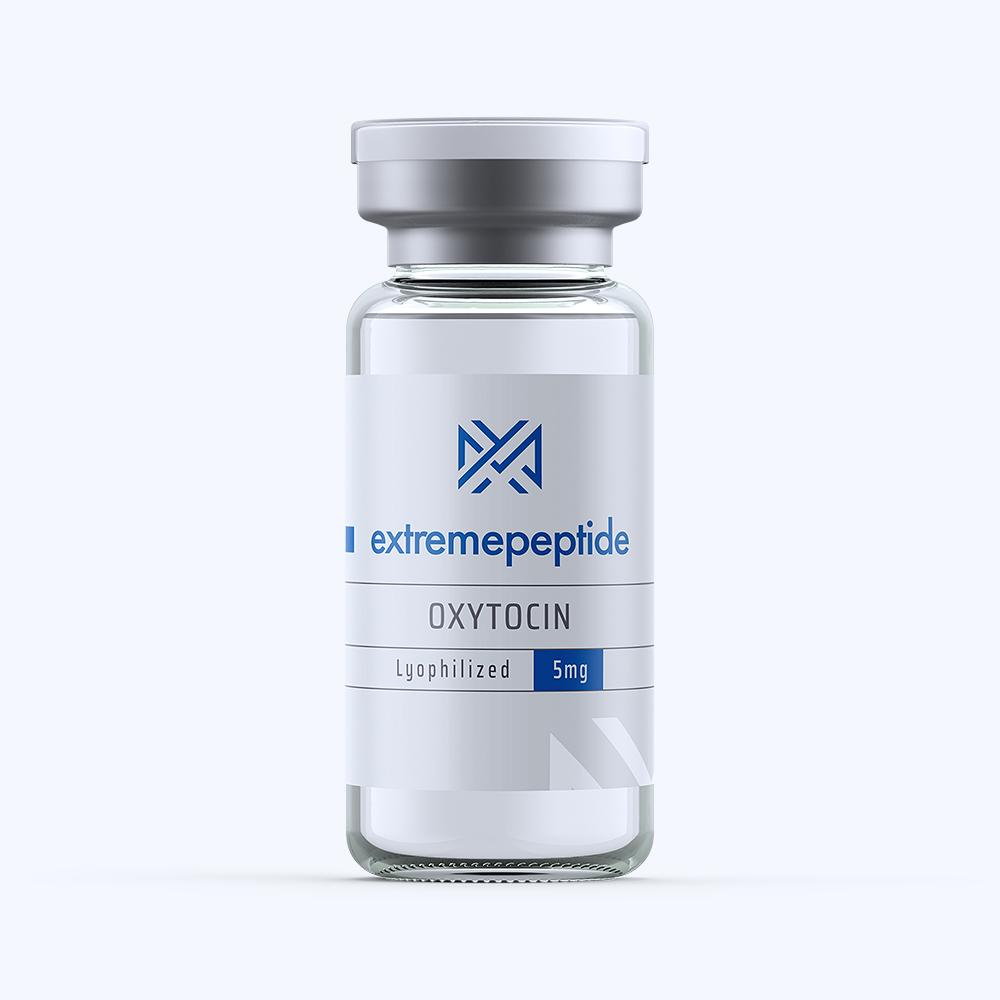
Oxytocin is a synthetic analogue of a naturally occurring peptide bearing the same name that is typically produced in hypothalamus nerve cells and then stored in the posterior pituitary gland1. Oxytocin is a neuromodulating agent in the brain with significant action throughout the process of mammalian sexual reproduction2. From stimulating sexual attraction3 to intensifying sexual climax4 to diminishing pain sensitivity and relaxing a mother’s muscles during childbirth5, oxytocin is present and integral to all stages of procreation, earning it the colloquial name ‘The Love Hormone’.
Interpersonal Connection
Oxytocin has been extensively researched as an agent for initiating a state of calm, a sense of trust, and a more relaxed mode for interpersonal connection and social interaction6. Animal subjects have been observed to act more boldly and with reduced anxiety following administration of oxytocin, as opposed to the evolutionary urge to keep others at a distance7. Complementary to the emotional state of calm, oxytocin has been shown to release muscle tension, to slow heart rate, and to reduce blood pressure8.
Buy Oxytocin
Oxytocin has also been observed to be a positive effector of quick wound healing9 as a result of fibroblast recruitment and an inhibition of the inflammatory response10. Research in animal subjects has demonstrated that oxytocin also has a peripheral role in stimulating growth hormone release11 and in inducing digestion, leading to enhanced metabolic efficiency.
Oxytocin’s action in enhancing libido, reducing social anxiety, and allowing for sensations of romantic attachment make it attractive as a potential remedy for subjects receiving necessary treatment that may inhibit these functions through side effects.
Synonyms:
Oxytocin Acetate, 3-Isoleucine-8-leucine vasopressin; Alpha-hypophamine; Atonin O; Di-sipidin; Endopituitrina; Hyphotocin; Intertocine S; Perlacton; Pitocin; Piton S; Presoxin;Synpitan;
Peer-Reviewed Sources:
- Brownstein, M. J., Russell, J. T., & Gainer, H. (1980). Synthesis, transport, and release of posterior pituitary hormones. Science, 207(4429), 373-378. ↩︎
- Stoop, R. (2012). Neuromodulation by oxytocin and vasopressin. Neuron 76(1), 142-159. ↩︎
- Smith, A. S., Ågmo, A., Birnie, A. K., & French, J. A. (2010). Manipulation of the oxytocin system alters social behavior and attraction in pair-bonding primates, Callithrix penicillata. Hormones and behavior, 57(2), 255-262. ↩︎
- Thornhill, R., Gangestad, S. W., & Comer, R. (1995). Human female orgasm and mate fluctuating asymmetry. Animal Behaviour, 50(6), 1601-1615. ↩︎
- Newton, N. (1978). The role of the oxytocin reflexes in three interpersonal reproductive acts: coitus, birth and breastfeeding. Clinical psychoneuroendocrinology in reproduction, 22, 411-418. ↩︎
- Turner, R. A., Altemus, M., Enos, T., Cooper, B., & McGuinness, T. (1999). Preliminary research on plasma oxytocin in normal cycling women: investigating emotion and interpersonal distress. Psychiatry, 62(2), 97-113. ↩︎
- Guastella, A. J., Mitchell, P. B., & Dadds, M. R. (2008). Oxytocin increases gaze to the eye region of human faces. Biological psychiatry, 63(1), 3-5. ↩︎
- Petersson, M., Alster, P., Lundeberg, T., & Uvnäs-Moberg, K. (1996). Oxytocin causes a long-term decrease of blood pressure in female and male rats.Physiology & behavior, 60(5), 1311-1315. ↩︎
- Gouin, J. P., Carter, C. S., Pournajafi-Nazarloo, H., Glaser, R., Malarkey, W. B., Loving, T. J., & Kiecolt-Glaser, J. K. (2010). Marital behavior, oxytocin, vasopressin, and wound healing. Psychoneuroendocrinology, 35(7), 1082-1090. ↩︎
- Petersson, M., Wiberg, U., Lundeberg, T., & Uvnäs-Moberg, K. (2001). Oxytocin decreases carrageenan induced inflammation in rats. Peptides, 22(9), 1479-1484. ↩︎
- Alexander, D. P., Britton, H. G., Forsling, M. L., & Ratcliffe, J. G. (1974). Pituitary and plasma concentrations of adrenocorticotrophin, growth hormone, vasopressin and oxytocin in fetal and maternal sheep during the latter half of gestation and the response to haemorrhage. Neonatology, 24(3-4), 206-219. ↩︎